On chintz
A word that went from priceless to insult, and is owed better.
Chintzy now means cheap, stingy, a little tatty. It did not start there. The history of the word is the reason this studio carries it.
1600s · the word
Chīṁṭ: spotted, bright
The name comes from the Hindi chīṁṭ, spotted or variegated, by way of the Sanskrit chitra, bright and many coloured. English borrowed the plural, chints, mistook it for a singular, and by the late eighteenth century was spelling it chintz.
1600 to 1800 · the craft
Months of work for one length
On the Coromandel Coast the cloth was drawn by hand with a kalam pen, painted with mordants and wax resists, then dyed in a fixed order and washed between every bath. Madder, indigo and chay root gave colours that would not fade.
1686 and 1720 · banned
Too good to be allowed
European mills could not match it, so their governments outlawed it. France barred chintz imports in 1686. In 1720 Parliament forbade its use in apparel or "in or about any Bed, Chair, Cushion or other Household furniture."
Now · the challenge
Back to the older meaning
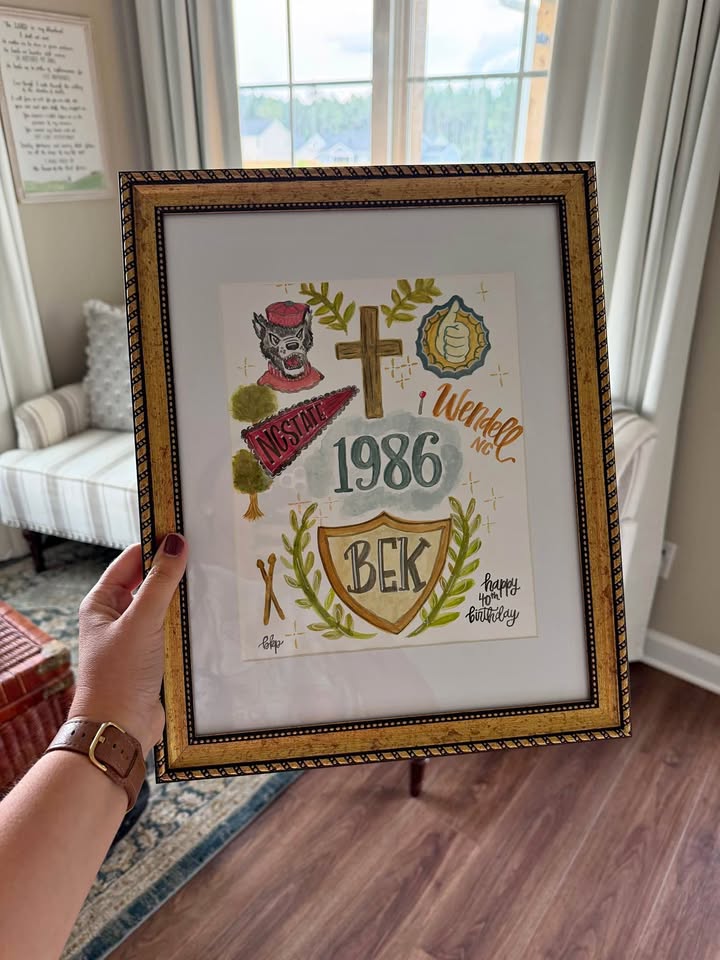
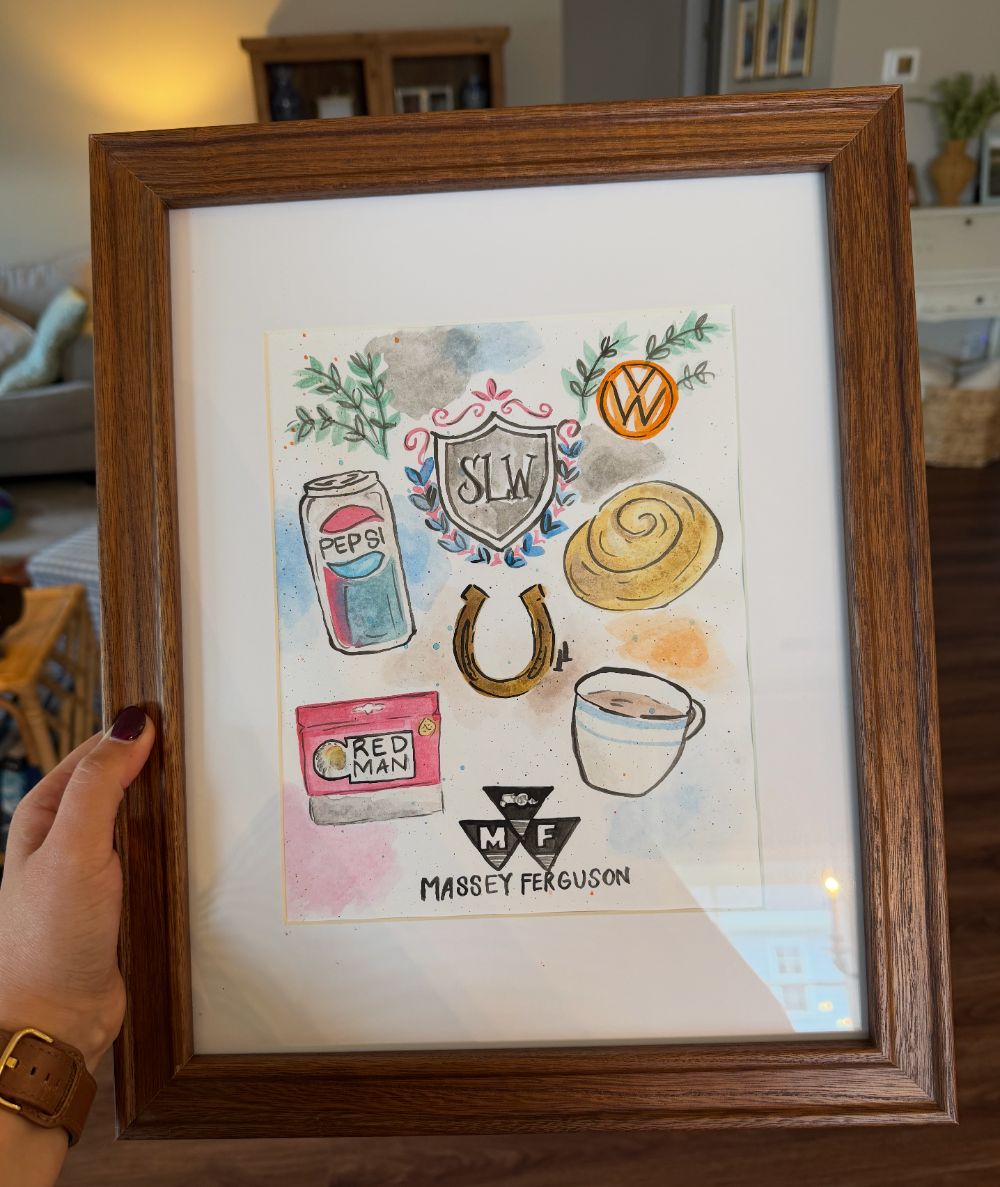
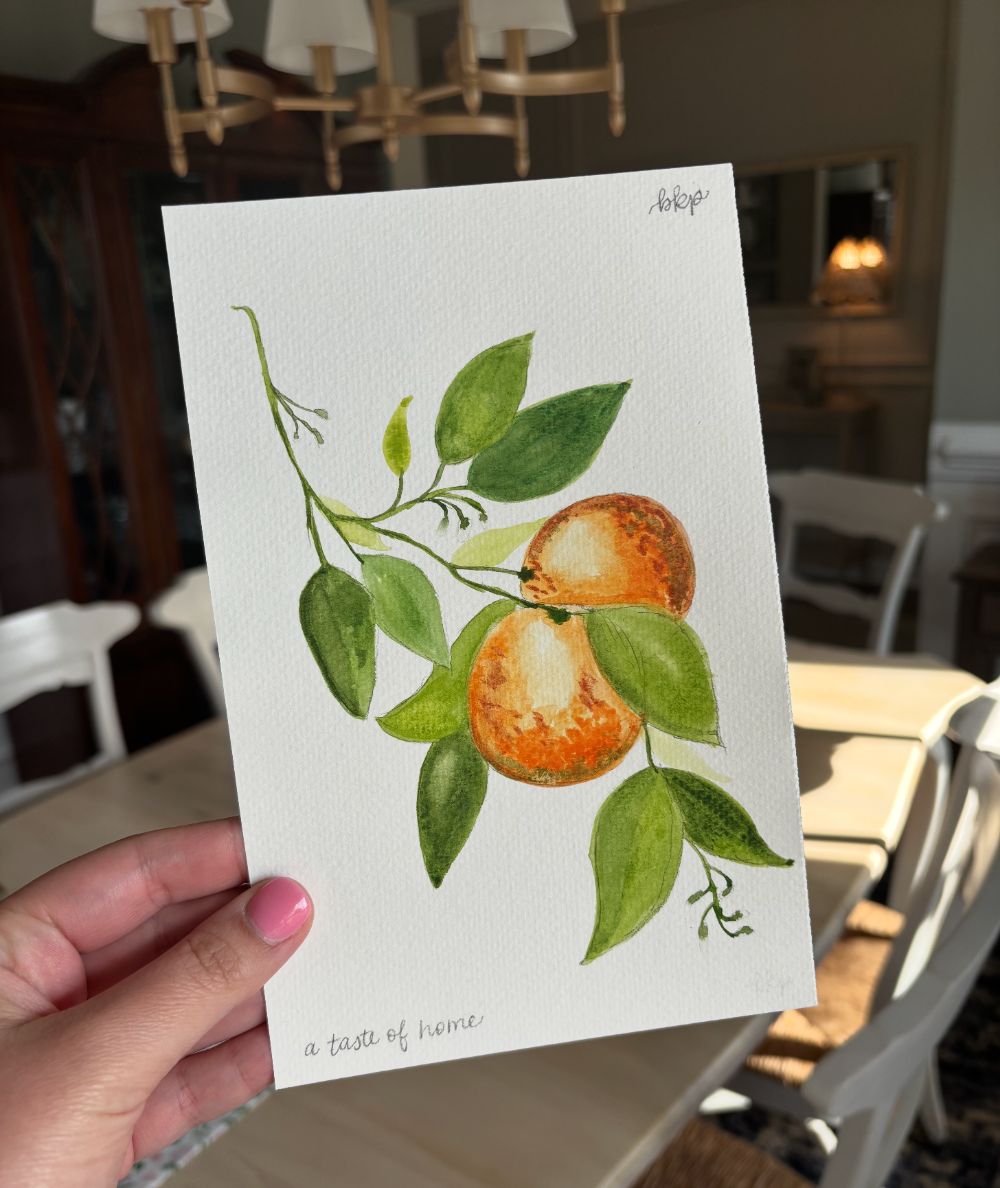
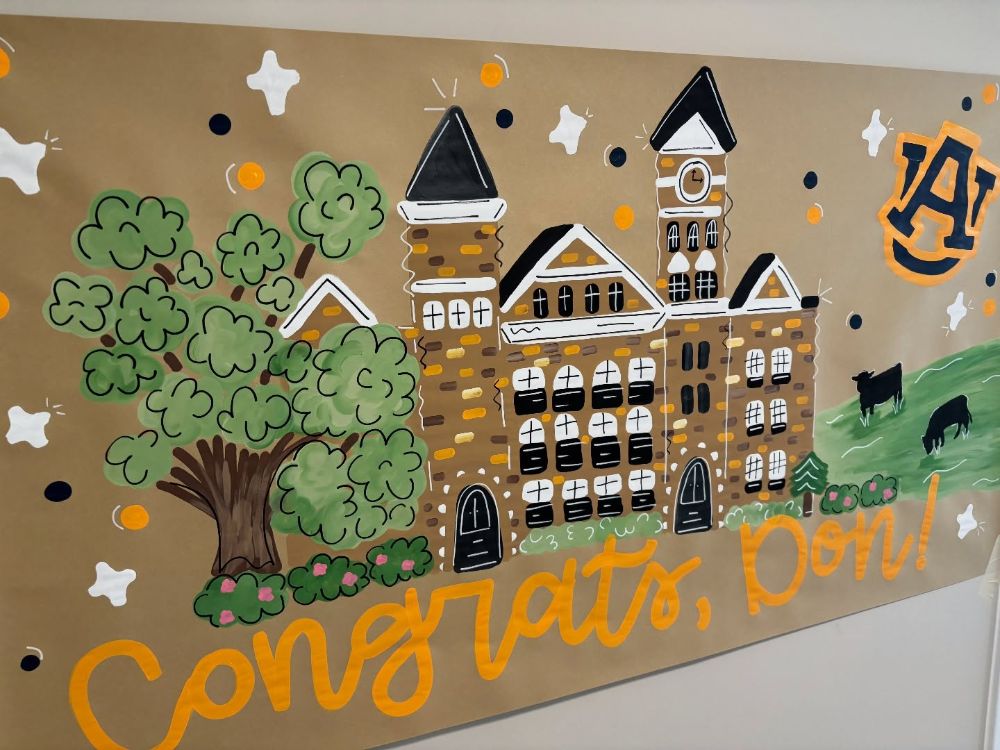
The work here takes the word at its origin: bright, many coloured, drawn by hand, made slowly and meant to last. Chintz Creative is a small argument that the name is worth reclaiming, one painting at a time.